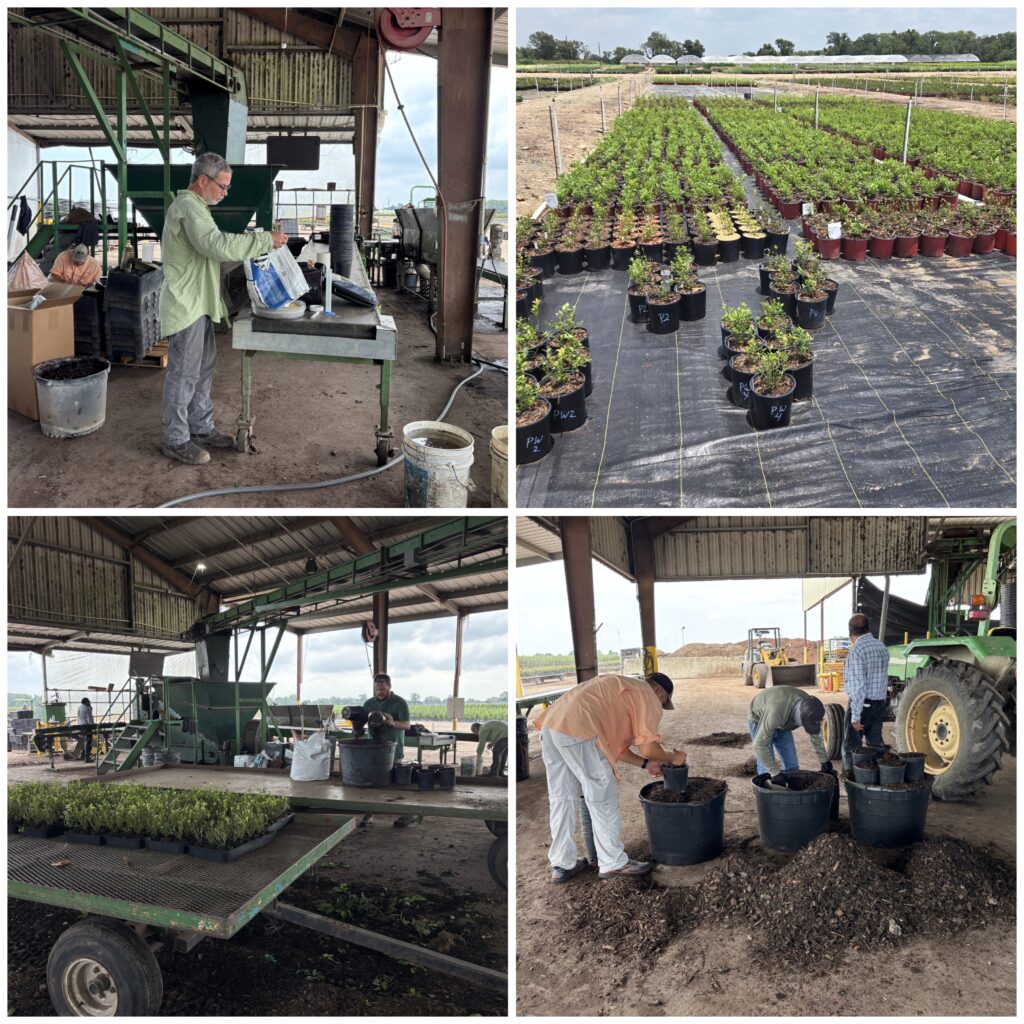


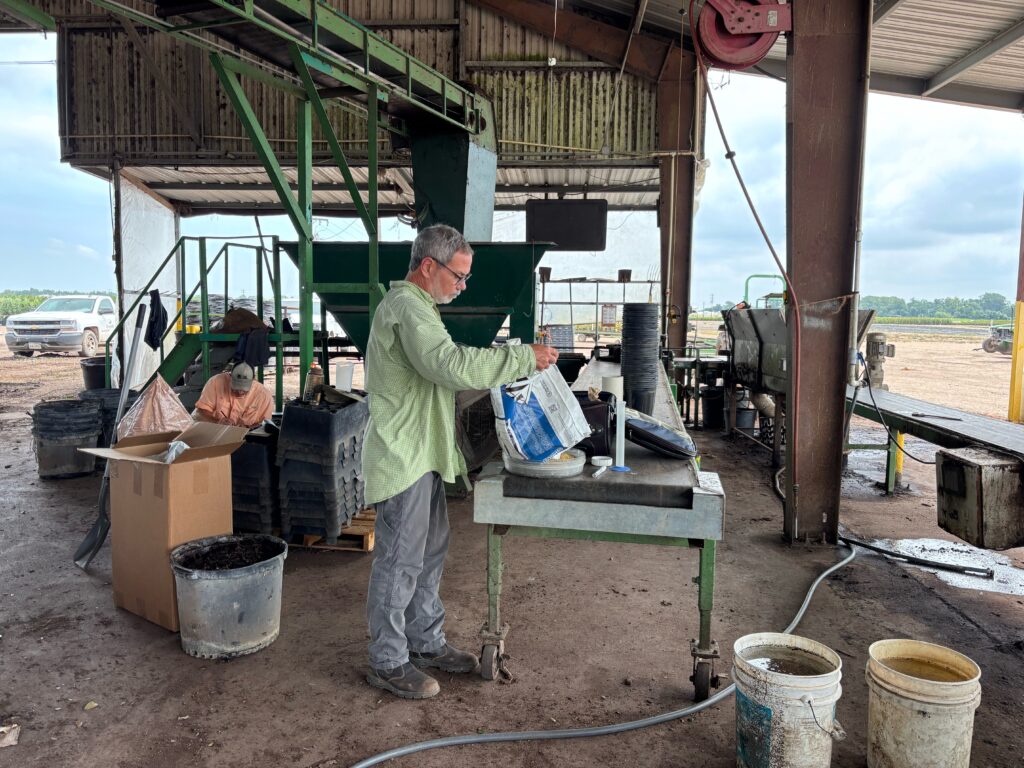
New for 2026 are the LEAP Scientist Stations that will be set up at Everde Growers during our tour on Monday 19 October.
The USDA NIFA Specialty Crops Research Initiative CAP project, “Labor, Efficiency, Automation, and Production: LEAP Nursery Crops Toward Sustainability,” is exploring how automation can help address the labor challenges facing the U.S. nursery industry. The project combines the development of new technologies with practical strategies for adopting existing automation solutions that can reduce labor demands, improve efficiency, and help nursery operations remain productive, competitive, and sustainable. Join us to learn how emerging technologies and real-world innovations are being applied to specialty crop production—and how automation could shape the future of the nursery industry.
Getting More Mileage from your Weed Control Program
Dr. Chris Marble, University of Florida
Weed management continues to be one of the most costly inputs in container nursery production. At this station, Chris Marble will demonstrate how mulch can be used to reduce handweeding costs and share information on how making changes to your herbicide application equipment can potentially improve control and dramatically reduce application and handweeding costs.
A Little Fiber Goes a Long Way
Dr. Jeb Fields, Ms. Martha Vilchez, University of Florida
Healthy plants start with healthy substrates. Just like in your diet, our station will explore the benefits of incorporating fibers into your substrates. Martha Vilchez, a graduate student in the Fields Lab at the University of Florida, will demonstrate how adding small percentages of peat or wood fiber can improve water balance, root growth, and support healthy plants.
Easy Tailgate Methods to Measure Air-filled Porosity and Available Nutrients in Your Substrates
Dr. Anthony LeBude, N.C. State University
After you’ve added fiber to your substrate diet, Anthony LeBude will demonstrate a simple way to determine the air-filled porosity of those new substrates and measure the available nutrients during production.
Refining Irrigation, Step by Step
Dr. Amy Fulcher, University of Tennessee
Refining irrigation can save water and fertilizer, shorten production cycles, and eliminate the need for fungicide drenches. In this demonstration, Dr. Fulcher will demonstrate simple steps to improve irrigation delivery and scheduling.
The IPPS Southern Region is looking forward to welcoming these scientists and learning from their experiments!